Bitcoin vs. Dogecoin: Which One Should I Choose?

%20(1).png)


Key takeaways
- Bitcoin remains the better choice for long-term investors thanks to its capped supply, strong security, and growing institutional adoption, including the 2025 US Strategic Bitcoin Reserve.
- Dogecoin is still considered a short-term, speculative investment, though its first spot ETFs launched in 2025 and 2026 have given it new institutional access.
- Buying, selling, or trading either asset is a taxable event in the US.
Which should I choose: Bitcoin or Dogecoin?
While Bitcoin is the best choice for a long-term investment, Dogecoin is a popular choice for traders looking to make short-term profits.
What is Bitcoin?
Bitcoin, created in 2009, is the most well known and valuable cryptocurrency in the world.
Bitcoin is designed to enable peer-to-peer transactions without the need for banks or other intermediaries.
Bitcoin is well-known for its cap of 21 million units, which makes it a great store of value and inflation hedge.
You can use this Bitcoin wallet balance checker to view the value of assets held in your wallet.
What is Dogecoin?
Dogecoin was originally created as a joke in 2013, created by software engineers Billy Markus and Jackson Palmer. Dogecoin featured a Shiba Inu dog from a popular meme, and was designed to poke fun at altcoins that offered little utility to investors.
Dogecoin rose to prominence after being promoted by celebrities like Tesla CEO Elon Musk. Musk has been a prominent Dogecoin advocate, even going as far as to say that Dogecoin would be accepted as a payment method for Tesla vehicles.
Dogecoin is now one of the most well-known ‘memecoins’ on the market. As of 2026, it consistently ranks among the top 10 largest cryptocurrencies by market cap.
Bitcoin vs. Dogecoin: price history

Winner: Bitcoin
Bitcoin and Dogecoin have both seen significant volatility in their histories.
While BTC has seen significant volatility, it has consistently grown over time. Most long-term investors in Bitcoin have been handsomely rewarded.
Dogecoin saw its price peak in 2021. While the asset has seen brief rises since then, it has yet to reach its previous price highs.
Bitcoin vs. Dogecoin: use and utility
Winner: Bitcoin
Bitcoin is designed to be an inflation-resistant alternative currency.
As Bitcoin has matured, more individual and institutional investors are buying into BTC’s value proposition. In 2024, Bitcoin ETFs became available for the first time in the US. In March 2025, the US government went a step further and established a Strategic Bitcoin Reserve, funded by Bitcoin the Treasury had already seized. Several states, including New Hampshire and Texas, have since followed with their own bitcoin reserves.
Dogecoin has historically been used mostly for short-term speculation, and critics have pointed to its lack of real-world utility. That said, Dogecoin has gained more legitimacy recently. Its first spot ETF launched in late 2025, and in March 2026, the SEC and CFTC jointly classified Dogecoin as a digital commodity.
Even with these developments, Dogecoin’s institutional access remains newer and smaller in scale than Bitcoin’s. Bitcoin is still the more established asset for investors looking for long-term utility.
Key Points:
- Bitcoin: Digital gold, institutional acceptance, US Strategic Bitcoin Reserve
- Dogecoin: Growing institutional access via ETFs, still primarily short-term speculation
Bitcoin vs. Dogecoin: purpose
Bitcoin’s purpose is to act as ‘digital gold’ and enable secure, peer-to-peer transactions.
Dogecoin is meant to be a fun, light-hearted alternative to Bitcoin, aimed at reaching audiences through meme-based appeal.
Key Points:
- Bitcoin Purpose: Digital currency, store of value
- Dogecoin Purpose: Community engagement, fun
Bitcoin vs. Dogecoin: supply
Winner: Bitcoin
Part of the reason for Bitcoin’s appeal is its limited supply. Bitcoin has a fixed supply of 21 million units, which prevents coin inflation from impacting price.
On the other hand, Dogecoin has an unlimited supply. Every year, 5 billion new units of Dogecoin are added to the supply. As of 2026, more than 150 billion DOGE are in circulation.
Many critics claim that DOGE will lose value over time due to this inflation.
Key Points:
- Bitcoin Supply: Capped at 21 million units
- Dogecoin Supply: Unlimited (inflationary), 150 billion+ in circulation
Bitcoin vs. Dogecoin: security
Both Bitcoin and Dogecoin use the Proof of Work (PoW) consensus mechanism to secure their networks. However, Bitcoin’s network has significantly more miners, which means that it’s more resistant to potential attacks!
Key Points:
- Bitcoin Security: Highly secure, high hash rate
- Dogecoin Security: Less secure than Bitcoin, lower hash rate
How to buy Bitcoin and Dogecoin
Both Bitcoin and Dogecoin are available to purchase on popular exchanges like Coinbase. Here’s how you can start investing in BTC and/or DOGE.
- Log in to your exchange. You’ll need to create an account if you haven’t done so already. While creating a crypto exchange account just takes a few minutes, it may take 1-2 days to verify your identity.
- Once your identity has been verified, you can add a payment method.
- Select the asset you’re interested in buying, then click ‘Buy’.
- View relevant fees, then confirm the transaction.
Conclusion
Bitcoin and Dogecoin cater to different audiences and serve distinct purposes.
Bitcoin is best suited for those looking for a long-term store of value.
Your choice between the two should depend on your investment goals, risk tolerance, and how you plan to use the cryptocurrency.
Do I pay tax when I buy, sell, or trade Bitcoin or Dogecoin?
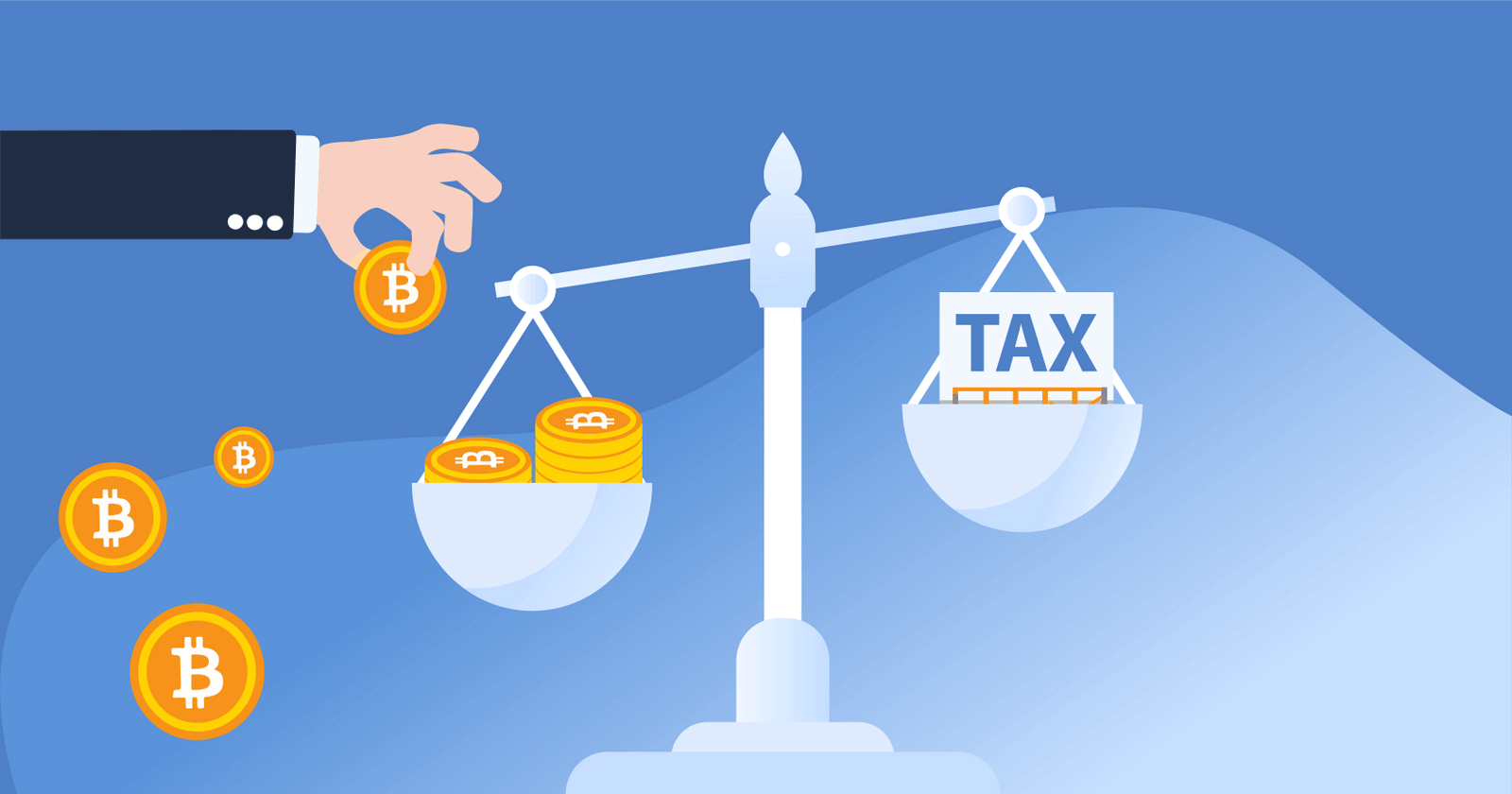
Yes. Buying, selling, or trading Bitcoin, Dogecoin, or any other cryptocurrency is a taxable event in the US.
When you sell or trade crypto for more than you originally paid, you’ll recognize a capital gain. If you sell for less, you’ll recognize a capital loss.
Remember, simply holding Bitcoin or Dogecoin isn’t taxable. You only trigger a taxable event when you dispose of your crypto: selling it, trading it for another cryptocurrency, or using it to buy something.
If you’re trading frequently between BTC and DOGE (or any other pair), each trade is its own taxable event, even if you never convert to US dollars.
Keeping track of your cost basis and gains across every trade gets complicated fast. Crypto tax software like CoinLedger can help. CoinLedger is trusted by more than 700,000 investors, and can generate a comprehensive tax report in just minutes!
Get started with a free CoinLedger account today.
Frequently asked questions
- Which is better, Dogecoin or Bitcoin?


- Why is Dogecoin not a good investment?
- Will Dogecoin ever get as high as Bitcoin?
- What are the similarities between Bitcoin and Dogecoin?
- Does Dogecoin have an ETF?




.png)