Key takeaways
- Cash App shows missing cost basis when it doesn't know what you originally paid for your bitcoin, usually because you transferred the bitcoin in from another wallet or exchange that Cash App never saw.
- Left uncorrected, the IRS treats missing cost basis as $0, which turns your entire bitcoin sale into a taxable gain and can massively overstate your tax bill.
- You are allowed to report your own cost basis, even when Cash App's report or your tax form leaves it blank, as long as you have records to back it up.
What does missing cost basis mean on Cash App?
Your cost basis is what you originally paid for your bitcoin, including fees. It's the number Cash App subtracts from your sale price to calculate your gain or loss.
When that number is missing, Cash App doesn't know what you paid, so it can't calculate your real gain.
On Cash App, you'll usually spot the problem in your Bitcoin Gain/Loss CSV or on your tax form, where the cost basis field shows up blank, as "N/A," or as "$0."
It helps to remember one thing about Cash App: its crypto product is bitcoin only. Cash App never held any other coin for you, so any missing basis is a bitcoin records gap, not a tax you actually owe. The bitcoin still has a real purchase price. Cash App just doesn't have it on file.
Why is my cost basis missing on Cash App?
Cash App can only track what you paid if you bought the bitcoin directly on Cash App. Anything else can leave the cost basis blank. Here are the most common reasons it happens.
You transferred bitcoin into Cash App
This is the most common cause.
Because Cash App only ever holds bitcoin, missing basis is almost always bitcoin you bought somewhere else and then sent in. If you bought it on another exchange or in a self-custody wallet and transferred it to Cash App, Cash App never saw the original purchase. It knows the bitcoin arrived, but not what you paid for it.
When you later sell, Cash App has proceeds but no cost basis to subtract.
This is also why the problem often spans several years. Bitcoin you moved into Cash App back in 2020, 2021, or 2022 stacks up, so fixing it is usually a multi-year reconciliation, not a one-year glitch.
You bought bitcoin automatically or got paid in bitcoin
Cash App lets you buy bitcoin on a recurring schedule and even route part of your paycheck into bitcoin.
Over time, that creates dozens or hundreds of tiny purchase lots. If even one buy is missing or a lot is only partly recorded, the sale that draws on it shows incomplete cost basis. Reconciling many small lots by hand is where a lot of people give up.
For more on how those lots are matched to sales, see our guide to FIFO and LIFO accounting methods.
You moved bitcoin out of Cash App and sold it elsewhere
The reverse flow causes the same gap.
If you bought bitcoin on Cash App, sent it out to a self-custody wallet or another exchange, and later sold it there, the downstream platform never saw your Cash App purchase price. Its report shows the sale with no cost basis, and you have to bring the Cash App purchase price back to fill in the gap.
Your bitcoin is non-covered on your tax form
Starting with the 2025 tax year, exchanges report your crypto sales on Form 1099-DA. (Cash App has historically issued a Form 1099-B for bitcoin sales, which works the same way for this purpose.)
For the 2025 tax year, exchanges report your proceeds only, not your cost basis. Any bitcoin you bought before January 1, 2026, or transferred in from another platform, is treated as a non-covered asset, which means Cash App has no obligation to track or report its cost basis. On these, the cost basis field is blank by design.
What happens if you file with $0 cost basis?
This is the part that scares people, and it's worth understanding clearly.
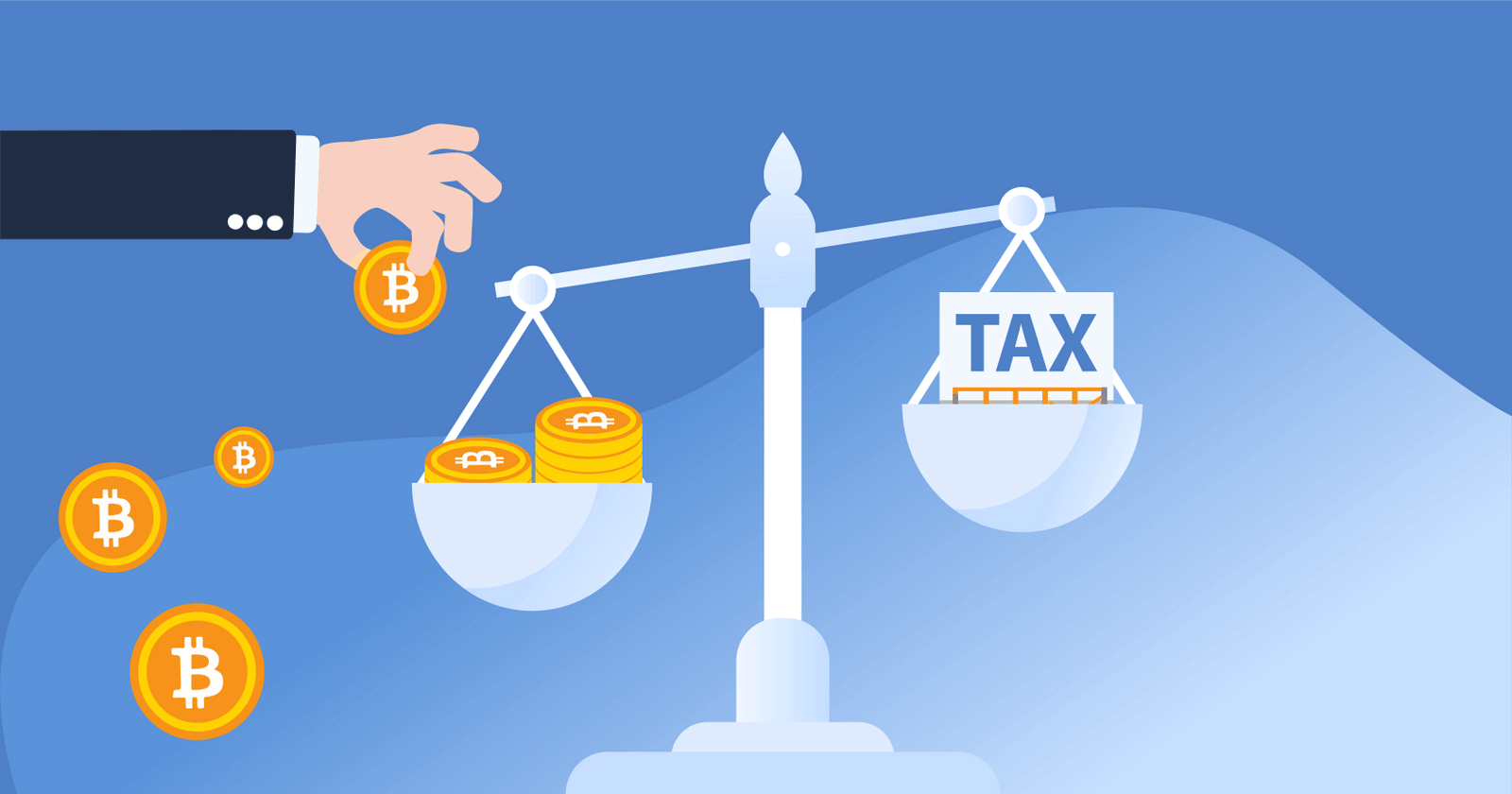
If cost basis is missing, the IRS treats it as $0. That means your entire sale price is counted as profit, even if you barely made any money.
Brooke's actual gain is $10,000, not $25,000. Her cost basis was $15,000, it just wasn't recorded on Cash App.
If she files straight from the $0 figure, she pays tax on an extra $15,000 she never earned.

Luckily, there's an easy fix. You are allowed to report your own cost basis, as long as you have documentation to support it.
How to fix missing cost basis on Cash App
You have a few options, from pulling Cash App's own records to a complete fix across all of your accounts.
Download your Cash App bitcoin records
Cash App keeps your bitcoin tax documents in one place. Tap the profile icon, then go to Documents, then Bitcoin, and download your Bitcoin Gain/Loss CSV (your monthly statements and tax forms live in the same spot).
On that CSV, Cash App calculates cost basis as the amount you paid for the bitcoin plus any Cash App fees.
However, it has one important limit. Cash App can only do this for bitcoin you bought on Cash App. For any bitcoin you transferred in from another wallet or exchange, it has no purchase price to work from, so those rows still read $0. That's exactly the gap you need to close.
Track down your original records
Your true cost basis lives wherever you first bought or acquired the bitcoin.
That means digging up the buy records from the other exchange or wallet, matching each transfer to the sale it eventually became on Cash App, and calculating the gain by hand.
This is doable for a few transactions. It becomes a real project once you've moved bitcoin between several platforms over a few years.
Import everything into CoinLedger
The cleanest fix is to bring your full history back together in one place.
Crypto tax software like CoinLedger connects to Cash App and hundreds of other exchanges and wallets, then imports your complete transaction history by API or CSV. Because it sees every platform, it can match the bitcoin you transferred into Cash App back to its original purchase, so your cost basis carries across instead of resetting to $0.
Its reconciliation system flags missing cost basis and other errors before you file, so you can fix them in one pass instead of hunting through transactions one at a time.
How to report the correct cost basis on your taxes
Here's the reassuring part: a blank cost basis on Cash App or on your tax form does not lock you into overpaying.
Under IRS rules, you report your capital gains and losses on Form 8949. You're allowed to use your own cost basis figures there, as long as you have documentation to support them.
You don't need to request a corrected Form 1099-DA. Because exchanges aren't required to report cost basis for non-covered assets, a blank field isn't an error to dispute, it's a number you're expected to supply yourself.
Remember, the IRS cares most about complete reporting. Report all of your bitcoin activity with accurate cost basis, keep your records, and a blank field on Cash App's version is a non-issue. For the full walkthrough of filing your Cash App taxes, see our guide to Cash App taxes.
The per-wallet cost basis rule
One recent change matters here.
Starting January 1, 2025, the IRS requires you to track cost basis on a per-wallet basis (under Revenue Procedure 2024-28), instead of pooling every account together. Each wallet and exchange account keeps its own set of cost basis records.
That makes the transferred-in problem more visible, not less. When bitcoin moves into Cash App from another account, its cost basis has to follow it correctly. Importing every source into one place is what makes that possible.
Get started with CoinLedger
A missing cost basis on Cash App almost always comes down to the same thing: your bitcoin has a history Cash App can't see, because it was bought somewhere else before it landed in your account. Pull that history back together, and the problem disappears.
CoinLedger connects to Cash App alongside the exchange or wallet your bitcoin actually came from, matches your transfers, and rebuilds your cost basis across every account, so you can file with accurate numbers instead of a $0 placeholder.
CoinLedger is trusted by more than 700,000 investors around the world.
Frequently asked questions
- How do I get my cost basis from Cash App?


- What happens if my Cash App cost basis is missing?
- Why doesn't my Cash App tax form show cost basis?
- Does Cash App track cost basis for bitcoin I bought somewhere else?
- Does Cash App report my bitcoin to the IRS?
- Can I fix missing cost basis from 2020, 2021, or 2022?
- When does Cash App release my bitcoin tax forms?


.png)
How we reviewed this article
All CoinLedger articles go through a rigorous review process before publication. Learn more about the CoinLedger Editorial Process.
.png)

CoinLedger has strict sourcing guidelines for our content. Our content is based on direct interviews with tax experts, guidance from tax agencies, and articles from reputable news outlets.